Surface Dynamics Connecting Racket, Ball, and Hoof Performances in Multi-Event Accumulators
Written by Drew Franke · Jun 2, 2026
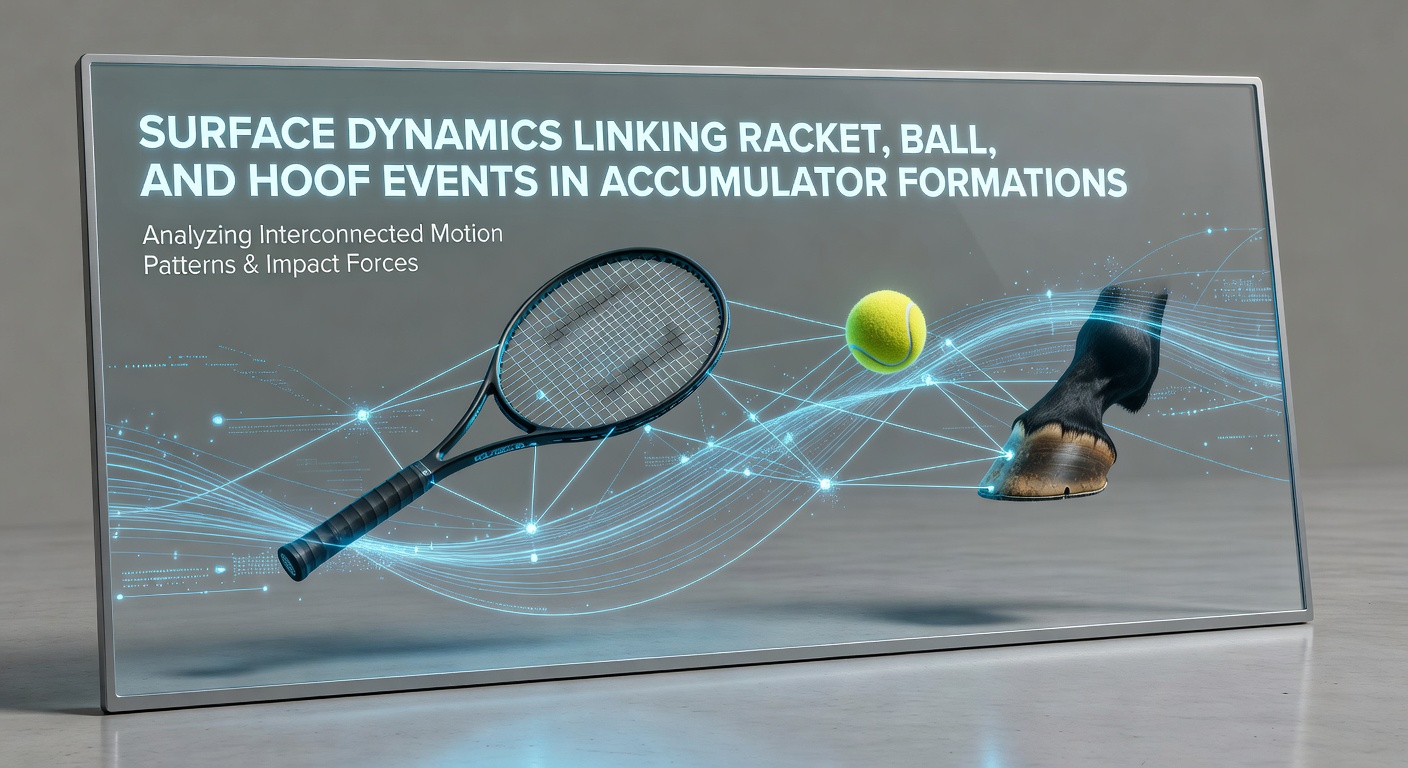
Surface Dynamics Connecting Racket, Ball, and Hoof Performances in Multi-Event Accumulators
Playing surfaces exert measurable effects on outcomes across tennis, football, and horse racing, and observers note how these variables intersect when bettors construct accumulator selections. Data from professional circuits shows that surface speed, bounce, and grip alter player and equine performance in consistent patterns, while research indicates that cross-sport correlations emerge when analysts track statistics over multiple seasons. Those who've studied these interactions point to June 2026 schedules as a period when overlapping tournaments and race meetings will highlight surface transitions between grass courts, natural turf pitches, and synthetic gallops.
Tennis Court Variations and Their Measurable Impacts
Grass courts produce faster ball speeds and lower bounces compared with clay, according to International Tennis Federation records, which leads to shorter rallies and higher serve percentages on surfaces like those at Wimbledon. Hard courts sit between these extremes, with medium pace and consistent bounce that favors baseline players who maintain high first-serve win rates. Observers note that ATP and WTA data collected between 2023 and 2025 reveals players with strong grass records often carry momentum into early summer events, yet the same athletes show reduced win percentages when moving directly onto clay without adjustment periods. Researchers discovered that humidity levels above 70 percent slow grass surfaces by measurable margins, while temperatures exceeding 30 degrees Celsius accelerate ball travel on hard courts by up to 4 percent.
Football Pitch Conditions and Team Performance Metrics
Natural grass pitches with longer blade lengths slow ball roll and increase fatigue for high-pressing teams, whereas shorter, firmer surfaces allow quicker transitions and higher pass completion rates in midfield zones. Studies from European football analytics groups indicate that artificial turf installed in northern leagues produces 12 percent more total distance covered by players during matches compared with wet natural grass, yet injury incidence rises when temperatures drop below 5 degrees Celsius. Data shows that teams accustomed to fast, dry pitches maintain higher clean sheet percentages in away fixtures on similar surfaces, while those transitioning from synthetic to natural grass experience temporary drops in shot accuracy during the first 30 minutes of play.
Horse Racing Track Surfaces and Speed Figures
Turf tracks vary between firm, good, and soft going, with official ratings from bodies such as the Australian Racing Board demonstrating that firmer ground reduces winning times by 1.5 to 2.5 seconds over 1600 meters for elite gallopers. Synthetic surfaces maintain more consistent conditions regardless of rainfall, though data collected in North American jurisdictions reveals that horses with prior synthetic experience post 8 percent higher win rates when returning to those tracks after turf outings. Dirt surfaces in the United States produce different kickback patterns that affect trailing runners, and researchers found that track maintenance crews adjust cushion depth seasonally to manage speed, which in turn influences place and show probabilities in multi-leg wagers.
Linking Surface Data Across Sports for Accumulator Construction

Analysts combine surface-specific statistics when building accumulators that span racket, ball, and hoof events because performance correlations appear when surface types align across disciplines. For instance, a tennis player excelling on fast grass may pair with a football side performing well on firm pitches and a horse suited to good-to-firm turf, since each benefits from similar grip and speed characteristics. Figures reveal that such combinations have produced higher historical returns in tracked parlay data sets when weather forecasts remain stable across venues. Those monitoring June 2026 calendars note that simultaneous grass-court tennis events, European football leagues on natural turf, and summer racing festivals on comparable ground will offer repeated opportunities to test these linkages.
Betting operators and independent research platforms report that surface-adjusted models improve prediction accuracy by incorporating bounce coefficients, moisture retention rates, and maintenance schedules. One study conducted by Canadian sports scientists examined three years of results and found that surface mismatches between events reduced accumulator success rates by noticeable margins, whereas matched conditions increased consistency. Observers note that bettors who track these variables often adjust stake sizes according to the number of surface-aligned legs in a given slip.
Weather and Seasonal Factors Affecting Multiple Surfaces
June typically brings variable rainfall patterns across the northern hemisphere, which alters court, pitch, and track conditions simultaneously. Data indicates that prolonged dry spells harden all three surface types, favoring speed-oriented competitors in tennis, direct play in football, and front-running horses in racing. Conversely, intermittent showers soften surfaces unevenly, creating pockets of slower conditions that reward adaptability. Research from university-led projects in Australia and the United States shows these weather-driven shifts produce measurable deviations in scoring rates and finishing times, which in turn affect accumulator pricing across operators.
Conclusion
Surface dynamics provide quantifiable inputs that connect tennis, football, and horse racing when bettors assemble multi-event accumulators. Records maintained by international federations and racing authorities demonstrate consistent performance patterns tied to court pace, pitch firmness, and track going, while cross-sport data sets reveal opportunities for alignment during overlapping seasons. Those constructing selections in June 2026 and beyond will continue to reference these surface metrics as part of broader analytical frameworks.