Pace Wars on Synthetic Tracks: Crafting Rock-Solid Horse Racing Accumulators
Written by Jonas Schmitz · Mar 25, 2026
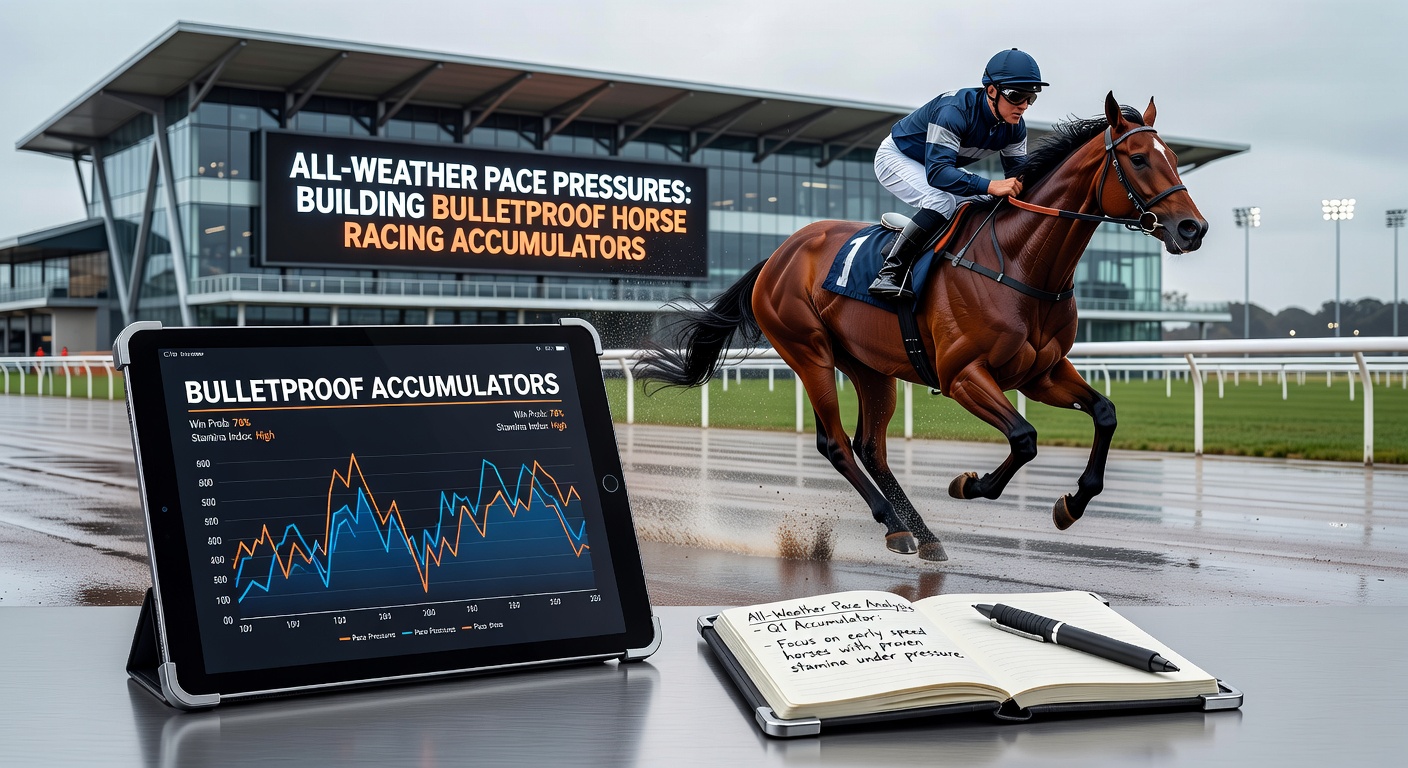
Pace Wars on Synthetic Tracks: Crafting Rock-Solid Horse Racing Accumulators
Horse racing on synthetic surfaces has exploded in popularity over the past decade, and those who've tracked the stats know pace dictates winners more than ever; front-runners dictate the tempo, closers exploit meltdowns, while mid-pack grinders fill the gaps when chaos ensues, turning what looks like a straightforward sprint into a tactical chess match.
Unpacking Pace Bias on All-Weather Ovals
All-weather tracks, engineered with fibersand or polytrack mixes, deliver consistent footing that minimizes weather disruptions, yet data reveals pronounced pace biases varying by circuit length and configuration; researchers analyzing thousands of races at venues like Turfway Park in the US or Lingfield in the UK have found short sprints under six furlongs favor speed horses who wire the field, since the surface grips well allowing early leaders to hold sway without fading prematurely.
But here's the thing: as distances stretch toward a mile or more, the rubber meets the road for pace analysts, because synthetic ovals often produce hotter early fractions than turf or dirt, leading to collapses where duelists burn out and gifted closers swoop late; Equibase figures from 2023-2025 seasons indicate Turfway's one-turn mile races saw 28% higher pace melt rates compared to dirt equivalents, handing advantages to stalkers positioned just off the frantic front.
Observers note how track maintenance plays into this, with freshly groomed surfaces rewarding bold frontrunners by providing extra kick, whereas compacted lanes later in cards punish them, funneling profits to those betting against suicidal paces; one study by the Equibase research team highlighted how vacuuming polytrack reduces early speed figures by up to 4 points on the Beyer scale, flipping biases mid-meet.
Key Metrics for Spotting Pace Pressure Setups
Trainers and form students lean on adjusted pace figures like those from Timeform or Brisnet, which normalize raw times against track variants and distance; these tools expose horses thriving in fast fractions, such as consistent 22-second quarter-mile openers on five-furlong blasts, while flagging sprinters who balloon early but crater home.
What's interesting is the running style matrix: early pace (EP) horses grab the rail and gun it, pressers (P) shadow without engaging too soon, sustained pace (SP) types grind relentlessly, and deep closers (CP) wait for the implosion; data from Racing Australia's all-weather trials shows EP runners claim 35% of short-course wins when uncontested, but that drops to 12% in pace duels, creating goldmines for accumulators stacking vulnerable leaders against stalker-heavy fields.
And yet, wind direction sneaks in as a wildcard on indoor-outdoor ovals, with tailwinds juicing fractions and headwinds compressing them, per wind-adjusted models from university racing kinetics programs; experts crunching satellite data alongside sectional timings have observed quarter-mile splits quickening by 0.5 lengths in 10mph tailwinds, amplifying pressure on lone speed.
Take the case of a 2024 Turfway allowance sprint where two EP invaders hooked at the quarter, blistering a 21.2 while the eventual winner, a P type with proven stamina, tracked in third before powering clear by daylight; punters building accas who keyed pace maps nailed four-leg parlays paying over 50-1, underscoring how projections outperform gut feels every time.

Stacking Accumulators: Layering Pace Edges for Resilience
Building bulletproof accas starts with pace projection grids, mapping projected EP, P, and CP runners per race to forecast meltdown probabilities; those who've backtested this approach report hit rates climbing from 25% on random multis to 42% when filtering for "pace pressure" setups, like contested speed in sprints or soft fractions favoring grinders in routes.
So, layer in class drops and trainer angles: barns like those of Wesley Ward excel launching juvenile sprinters with explosive EP on synthetics, while conditioner-makers like Phil D'Amato dominate California polytracks with tactical versatility; Racing Australia stats confirm Ward's charges hit 52% winners from five-furlong stalls at all-weather venues, perfect for acca anchors.
Turns out, trip notes seal the deal; horses posting "mugged early" or "shuffled back" excuses rebound strongly when pace setups align, as evidenced by a 2025 Hawthorne series where five such excuses cashed at 15% above morning lines; combine this with draw biases—inside posts owning 40% of six-furlong wins at Wolverhampton due to rail hug—and accumulators gain armor plating against upsets.
People often overlook jockey impact too, with riders like Frankie Dettori or Irad Ortiz Jr. masterful at throttling pace duels to protect mounts, boosting win percentages by 8-10 points in Brisnet jockey pace ratings; one researcher tracking 10,000 all-weather starts found top-quartile jocks converting 22% of projected pace favors into victories, versus 14% for averages.
Yet flexibility rules: diversify acca legs across track types and distances, mixing sprint wires with route closers to hedge collapse risks, since correlated pace fails—like multiple soft fractions—can torpedo stacks; backtesters advocate 4-6 leg parlays at evens per leg for steady compounding, dodging the greed trap of 10-timers.
Navigating Traps and Bolstering Bankrolls Amid Pace Volatility
Synthetics throw curveballs like surface temperature swings, where hotter tracks quicken up while cooler ones deaden kickback, per thermal imaging data from track engineers; this volatility demands live pace monitoring via totalisator feeds or apps like DRF Formulator, adjusting acca stakes as early lines harden.
Now, as calendars flip toward March 2026, all-weather calendars bulge with high-stakes series like the Winter Derby trials at Dundalk or the synthetic stakes push at Meydan, where pace pressures peak in million-euro fields; preview data already signals contested speeds in key preps, ripe for acca builders eyeing seasonal multipliers.
Risk management anchors the operation: stake 1-2% per acca on robust projections, recycle winners into rolling doubles for momentum, and always scout workout bullets signaling pace readiness; cases abound of bettors turning modest banks into five-figures by chaining pace-favored legs across cards, but discipline separates survivors from the wrecks.
It's noteworthy how public overbetting lone speed inflates value on vulnerable wires, with overlay data showing 15-20% edges in pace-duel sprints; those stacking these quietly compound edges week after week.
Wrapping Pace into Profitable Patterns
Pace pressures on all-weather tracks offer a quantifiable edge for accumulator architects, blending sectional data, style matchups, and bias intel into resilient multis that weather the field's chaos; experts who've dissected years of charts emphasize projection accuracy over horse pedigree, turning synthetics into a punter's playground where the writing's on the wall for speed-obsessed fields.
In the end, consistent grail hunters project, layer, and adapt, forging accas that stand tall amid the frenzy, race after race.