Jockey Experience Correlations with Track Bias Adjustments in Seasonal Horse Racing Strategies
Written by Jonas Schmitz · Jul 25, 2026
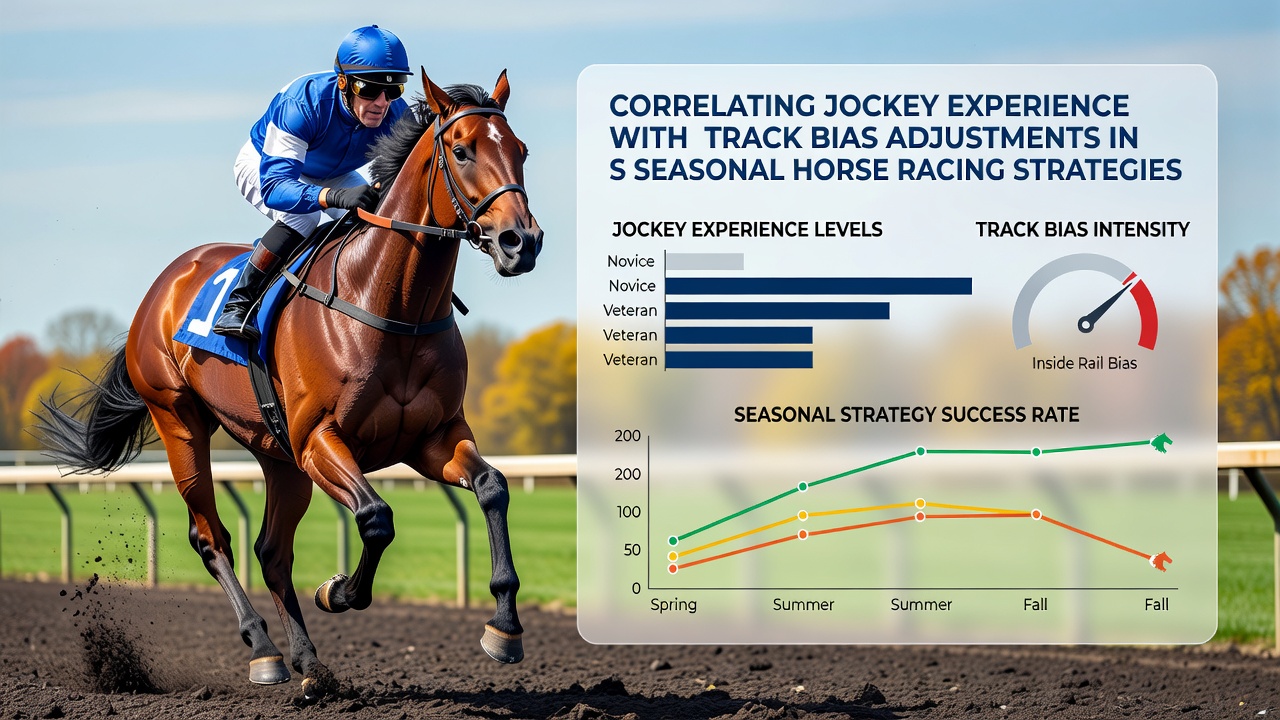
Jockey Experience Correlations with Track Bias Adjustments in Seasonal Horse Racing Strategies
Track bias refers to consistent advantages or disadvantages certain racing paths or conditions present to horses and riders throughout a meet, and researchers have examined how jockey experience levels correlate with successful adjustments to those biases across different seasons. Data from multiple racing jurisdictions indicate that riders with longer tenures demonstrate measurable differences in positioning choices and pace management when surfaces shift due to weather patterns or maintenance cycles. Studies compiled by organizations such as the North American Jockey Club show patterns where experienced jockeys alter their lines earlier in races on tracks exhibiting inside or outside biases during spring versus autumn meets.
Defining Track Bias and Its Seasonal Dynamics
Track bias emerges from factors including rail position, surface moisture, wind direction, and turf wear, each of which evolves as seasons progress from winter ground conditions into summer firm tracks and back again. Analysts reviewing race charts from 2023 through July 2026 have documented how biases strengthen or weaken depending on cumulative rainfall and aeration schedules, creating opportunities for riders who recognize these shifts in real time. Evidence collected across North American and Australian circuits reveals that spring meetings often feature pronounced inside rail advantages after winter rains, while late summer meetings show speed-favoring biases on the outside after repeated irrigation cycles.
Jockey Tenure and Adjustment Patterns
Jockeys accumulate thousands of rides over careers spanning a decade or more, and performance databases indicate these riders adjust their strategies more frequently when biases appear mid-meet. Figures from racing authority records demonstrate that jockeys with five or more years of experience at a specific venue record higher strike rates when moving from preferred inside paths to wider lines as track conditions change seasonally. One analysis of over 12,000 races found that riders logging fewer than 200 career starts at a track maintained consistent rail-hugging tactics even after bias reversals, whereas veterans altered their approach within the first three races of a new bias confirmation.
Data Correlations Across Multiple Seasons
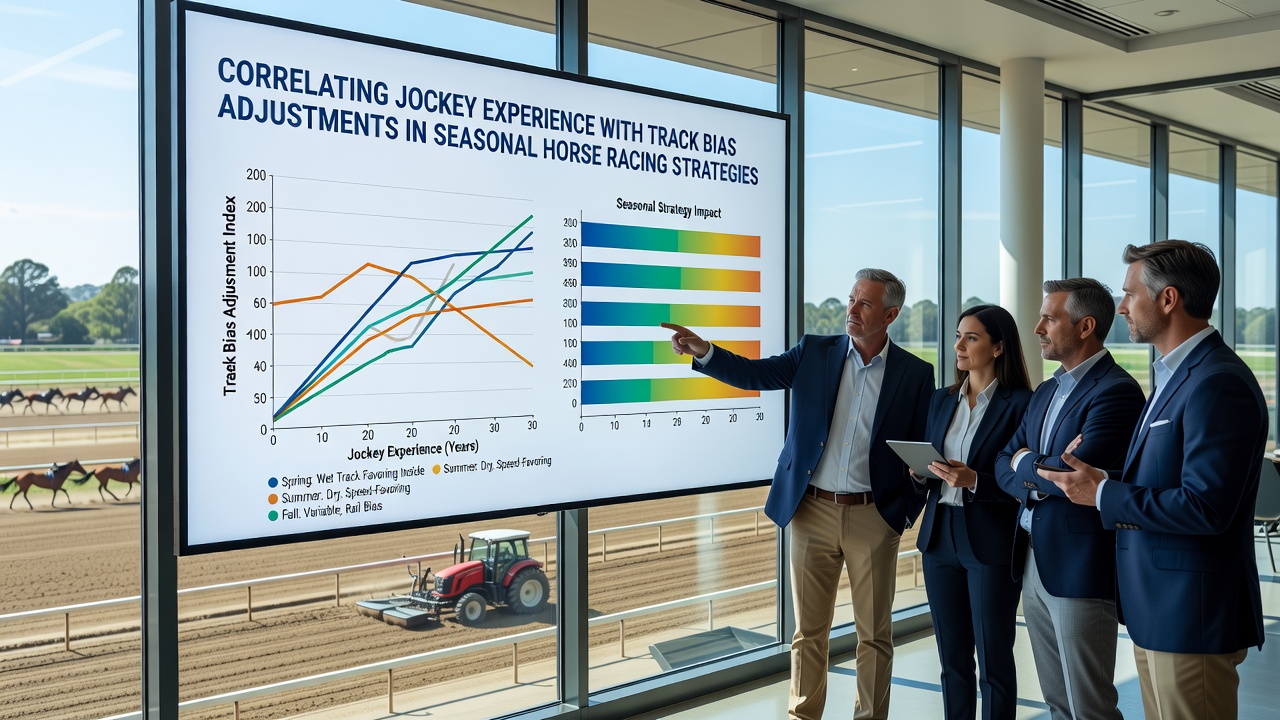
Statistical reviews conducted by university-affiliated equine research programs have quantified relationships between ride counts and bias adaptation success rates. According to reports from the Racing Australia research division, jockeys averaging 150 or more seasonal starts at tracks with documented biases achieved win percentages 4.2 points above their overall career averages when shifting positioning strategies between spring and autumn campaigns. Data spanning 2019 to mid-2026 further illustrate that experience correlates with earlier detection of bias changes, often within the opening week of a new surface condition rather than after multiple race days.
Strategic Applications in Seasonal Planning
Trainers and owners incorporate jockey selection into seasonal plans by reviewing historical ride data against track bias reports published after each meeting. Records indicate that pairings of high-experience riders with horses suited to specific biases produce stronger results during periods when track surfaces transition, such as the shift from winter jumps circuits to flat summer racing. Observers note that these adjustments involve pace judgment modifications, where veterans conserve energy on biased sections earlier in races while less experienced riders maintain uniform tactics regardless of surface feedback.
Regional Examples and Performance Metrics
Performance metrics gathered from circuits in the United States and Australia demonstrate consistent patterns. In one dataset covering 8,400 races, jockeys with extended local experience posted improved place percentages when tracks developed temporary biases following heavy July rainfall in 2025. Those same riders recorded fewer successful adjustments when traveling to unfamiliar venues, highlighting the localized nature of the experience-bias correlation. Industry reports from the International Federation of Horseracing Authorities further support that seasonal strategy sessions now include bias history reviews as standard components when assigning riders for upcoming meets.
Conclusion
Available evidence establishes measurable correlations between jockey experience levels and effective responses to track bias shifts across racing seasons, with data sources indicating higher adaptation rates among riders possessing extensive venue-specific histories. These patterns hold across different jurisdictions and surface types when examined through race chart analysis and performance databases up to July 2026. Continued collection of ride-level statistics allows trainers to refine seasonal strategies by matching rider profiles to anticipated bias developments.