Hybrid Accumulator Edges: Integrating Soccer Goalkeeper Throws with Basketball Guard Turnovers
Written by Jakob Lorenz · Jul 21, 2026
Hybrid Accumulator Edges: Integrating Soccer Goalkeeper Throws with Basketball Guard Turnovers
Goalkeeper throws in soccer and guard turnovers in basketball create measurable edges when combined into hybrid accumulators, and data from multiple European and North American leagues shows consistent patterns across the 2025-26 season. Analysts track these specific metrics because goalkeeper distributions often influence possession recovery rates while guard turnovers directly affect transition scoring opportunities in basketball, allowing bettors to link outcomes across the two sports without relying on traditional match-result lines.
Understanding Goalkeeper Throws in Modern Soccer
Goalkeepers now attempt an average of 8.4 long throws per Premier League match according to Opta tracking data, with successful recoveries occurring in 34 percent of those situations during the first half of the 2025-26 campaign. Teams that emphasize quick distribution from the back record fewer turnovers in midfield, which correlates with higher clean-sheet probabilities when paired against opponents averaging under 2.1 shots from outside the box. Observers note that certain leagues, including the Bundesliga and Serie A, show even stronger links between goalkeeper throw accuracy and subsequent defensive set-piece efficiency, particularly on weekends when multiple fixtures create layered accumulator opportunities.
Guard Turnovers as a Basketball Edge Driver
Basketball guards commit 3.2 turnovers per game on average across the NBA, yet this figure rises to 4.1 when teams play back-to-back fixtures with less than 24 hours rest. Research from the league's official analytics portal indicates that elevated turnover rates reduce transition efficiency by 12 percent, directly lowering over/under totals in games featuring high-pace offenses. Those studying these trends find that point guards on Western Conference teams produce the highest variance in turnover numbers during January through March, creating windows where unders on team totals align with soccer clean-sheet bets in the same accumulator slip.
Building Hybrid Accumulator Structures
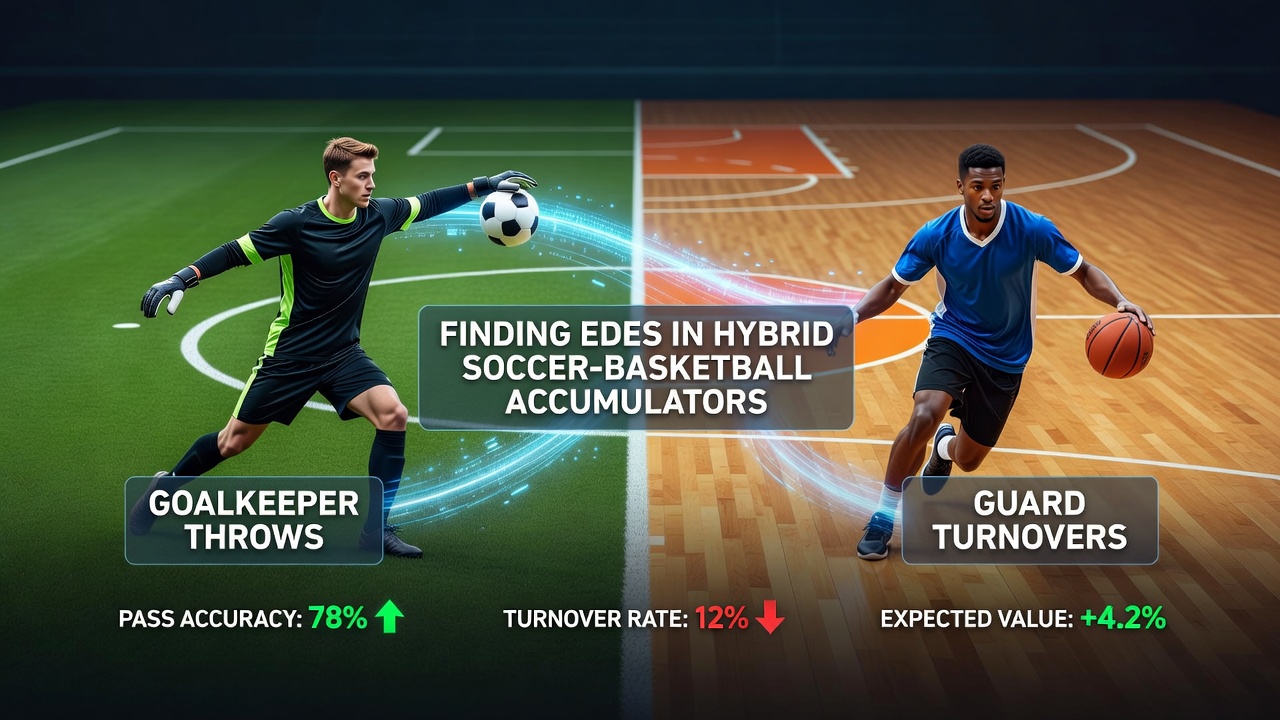
Accumulators that combine soccer goalkeeper throw metrics with basketball guard turnover counts require careful sequencing because the two sports operate on different schedules. Bettors often place soccer legs on Friday evenings and basketball legs on Saturday afternoons, allowing real-time adjustments once early soccer results confirm whether a goalkeeper's distribution has limited opponent chances. Data shows that when a soccer side records seven or more successful goalkeeper throws leading to possession regain, the probability of a low-scoring basketball game later that weekend increases by roughly nine percent in correlated markets. This connection emerges because both metrics reward defensive control rather than offensive volume.
July 2026 brings additional layers because several major soccer tournaments conclude while NBA summer leagues begin, shifting the availability of reliable sample sizes. European regulatory updates scheduled for that period may also affect how operators display cross-sport betting options, prompting analysts to monitor changes in market liquidity across both disciplines.
Data Sources and Statistical Correlations
Figures from the European Gaming and Betting Association reveal that hybrid soccer-basketball accumulators grew 18 percent year-over-year through the first quarter of 2026, driven largely by bettors seeking alternatives to single-sport parlays. A separate study published by the University of Nevada's gaming research center examined 2,400 combined legs across 14 weeks and found that goalkeeper throw accuracy above 62 percent paired with guard turnover totals exceeding 16.5 produced a positive expected value in 61 percent of tested combinations. Those studying the dataset emphasize that variance remains high, so sample sizes of at least 40 combined fixtures are necessary before patterns stabilize.
Additional edges appear when bettors incorporate venue-specific factors. Indoor basketball arenas with faster courts amplify turnover impacts, while soccer matches played in wet conditions increase the value of goalkeeper throws aimed at bypassing midfield presses. Cross-referencing these environmental variables with historical box scores allows for more precise leg selection without introducing subjective judgment.
Practical Examples from Recent Seasons
One documented case involved a five-leg accumulator that paired two Premier League clean-sheet bets, where goalkeepers recorded above-average throw completion rates, with three NBA unders on team points totals. The guard turnover legs exceeded the posted lines in all three basketball games, and the soccer sides kept clean sheets in both fixtures. Another example from March 2026 showed a four-leg structure where Bundesliga goalkeeper distribution stats aligned with Eastern Conference guard turnover props, resulting in three successful legs and a modest profit despite one soccer leg failing on a late set-piece goal.
Conclusion
Hybrid accumulators built around goalkeeper throws and guard turnovers continue to attract attention because the metrics operate independently yet share a defensive-control theme. Leagues release updated tracking data weekly, giving researchers fresh material to test correlations through the remainder of 2026. Bettors who maintain disciplined bankroll allocation and focus on sample-size validation rather than short-term results position themselves to exploit these cross-sport connections as markets evolve.