Endurance Metrics Reshaping Multi-Sport Accumulator Choices in Football, Tennis, and Basketball
Written by Uma Müller · Jul 7, 2026
Endurance Metrics Reshaping Multi-Sport Accumulator Choices in Football, Tennis, and Basketball
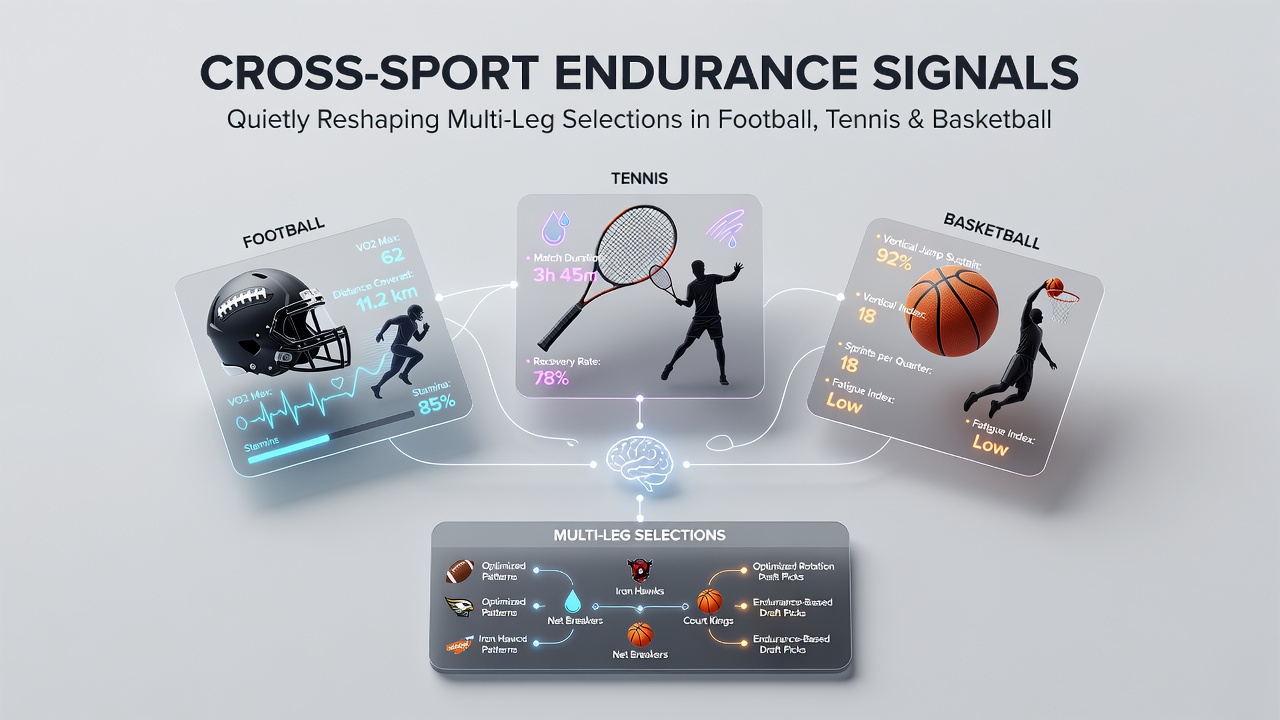
Endurance signals from football, tennis and basketball increasingly guide selections in multi-leg accumulators as analysts examine fatigue patterns that span across these disciplines. Data from player tracking systems shows how sustained physical output in one sport correlates with performance dips in subsequent fixtures, creating measurable edges for those constructing combined bets. Researchers at institutions like the Australian Institute of Sport have documented these crossovers through longitudinal studies that track heart rate recovery and distance covered per minute.
Football Player Load and Recovery Windows
Football matches demand continuous movement that accumulates over 90 minutes plus stoppage time, and high-intensity efforts in midfield zones often leave central players with elevated lactate levels that persist into the next matchday. Teams scheduling back-to-back fixtures within four days see measurable drops in sprint frequency, according to figures released by the German Football League in collaboration with university partners. Multi-leg selections incorporating clean-sheet outcomes or goal totals gain clarity when bettors factor in these recovery windows, particularly during congested periods around international breaks. One analysis of Bundesliga data revealed that squads averaging over 11 kilometres per player in a midweek fixture posted 18 percent fewer clean sheets in the following league round.
Tennis Match Duration and Stamina Carryover
Tennis rallies lasting beyond three hours place unique demands on lower-body endurance and mental resilience, with serve percentages declining after the two-hour mark in both ATP and WTA events. Observers note that players advancing through multiple five-set matches in a single tournament week carry measurable fatigue into later rounds, influencing tiebreak probabilities and total games lines. The International Tennis Federation has compiled serve-hold statistics across Grand Slams showing that competitors logging more than 12 hours of court time in seven days experience a 9 percent reduction in first-serve points won. These patterns intersect with football schedules when major tournaments overlap with domestic leagues, prompting accumulator builders to adjust selections involving both sports in the same slip.
Basketball Back-to-Backs and Paint Efficiency
Basketball schedules packed with consecutive games create rapid fatigue accumulation in the paint, where rebounding and defensive rotations suffer first. NBA tracking data indicates that teams playing their second contest in two nights allow 4.2 additional points in the paint per 100 possessions, a trend that directly affects over/under totals in multi-leg constructions. College basketball programs monitored by Canadian sports science groups demonstrate similar drops during conference tournaments, where travel compounds physical load. When basketball legs sit alongside football or tennis selections, the combined probability matrices shift because endurance depletion in one sport rarely resets before the next event begins.
Cross-Sport Data Integration Methods
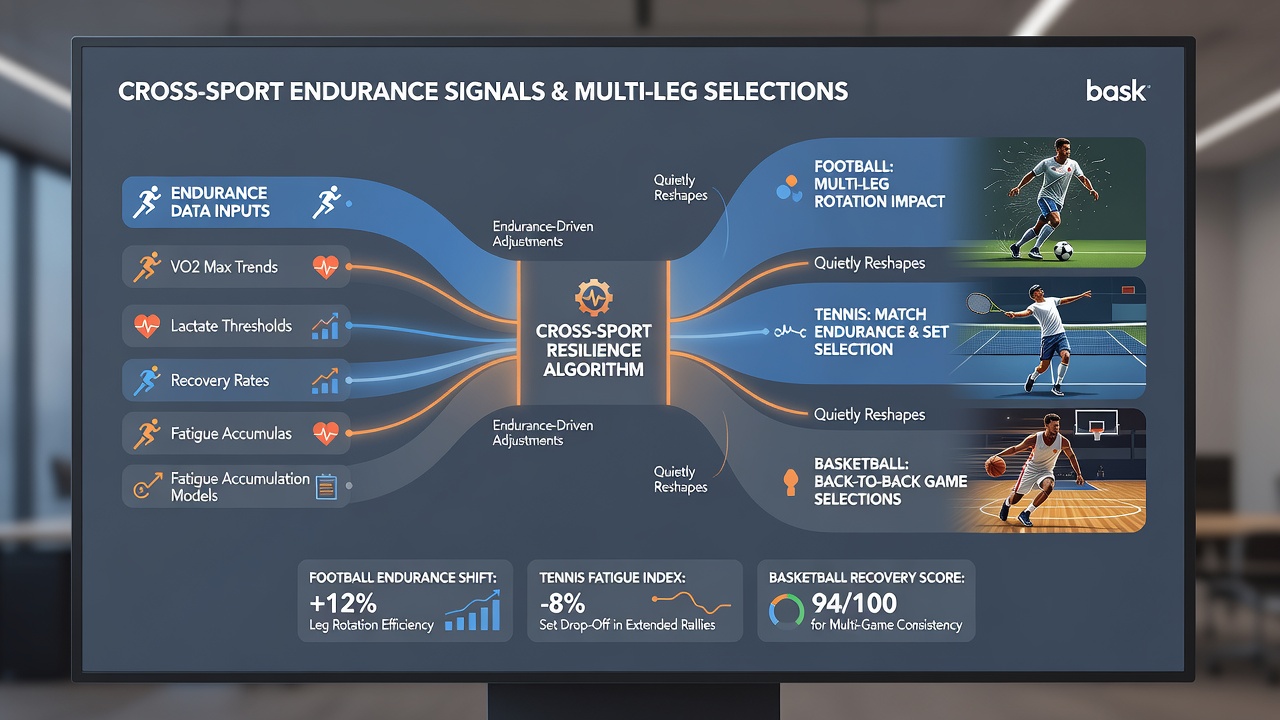
Analysts now combine wearable metrics from football GPS units, tennis racket sensors and basketball accelerometers to build unified fatigue indices. These indices feed into probability models that recalibrate accumulator odds when events cluster within short timeframes. A 2025 report from a European sports medicine consortium highlighted how players participating in multiple codes during summer windows showed slower return-to-baseline heart rates, extending recovery by up to 36 hours. Such findings help explain why selections spanning football clean sheets, tennis set totals and basketball player props require staggered timing rather than simultaneous placement. External datasets from the National Collegiate Athletic Association further support these correlations by logging minute-by-minute workload across seasons.
July 2026 Scheduling Overlaps
July 2026 features overlapping international football windows, Wimbledon and early NBA summer league activity, creating a compressed period where endurance carryover becomes especially pronounced. Fixture congestion during this month amplifies the value of monitoring recovery markers across all three sports simultaneously. Tournament organisers have adjusted some start times to mitigate travel fatigue, yet data from prior cycles shows persistent performance variance in legs placed on consecutive days. Accumulator constructors examining these calendars adjust stake distribution toward legs with longer rest intervals rather than stacking high-fatigue matchups.
Conclusion
Cross-sport endurance signals continue to refine multi-leg selection frameworks by supplying objective markers that transcend single-discipline analysis. Football distance metrics, tennis court-time logs and basketball possession data converge into shared models that adjust expected outcomes when schedules tighten. Those constructing accumulators gain from integrating these indicators, particularly during periods like July 2026 when multiple calendars intersect. The approach relies on verifiable tracking statistics rather than isolated game previews, producing selections grounded in measurable physical patterns across the three sports.