Clutch Tiebreak Gold: WTA Edges Igniting Multi-Leg Accumulator Fireworks
Written by Ben Schmitt · Mar 31, 2026
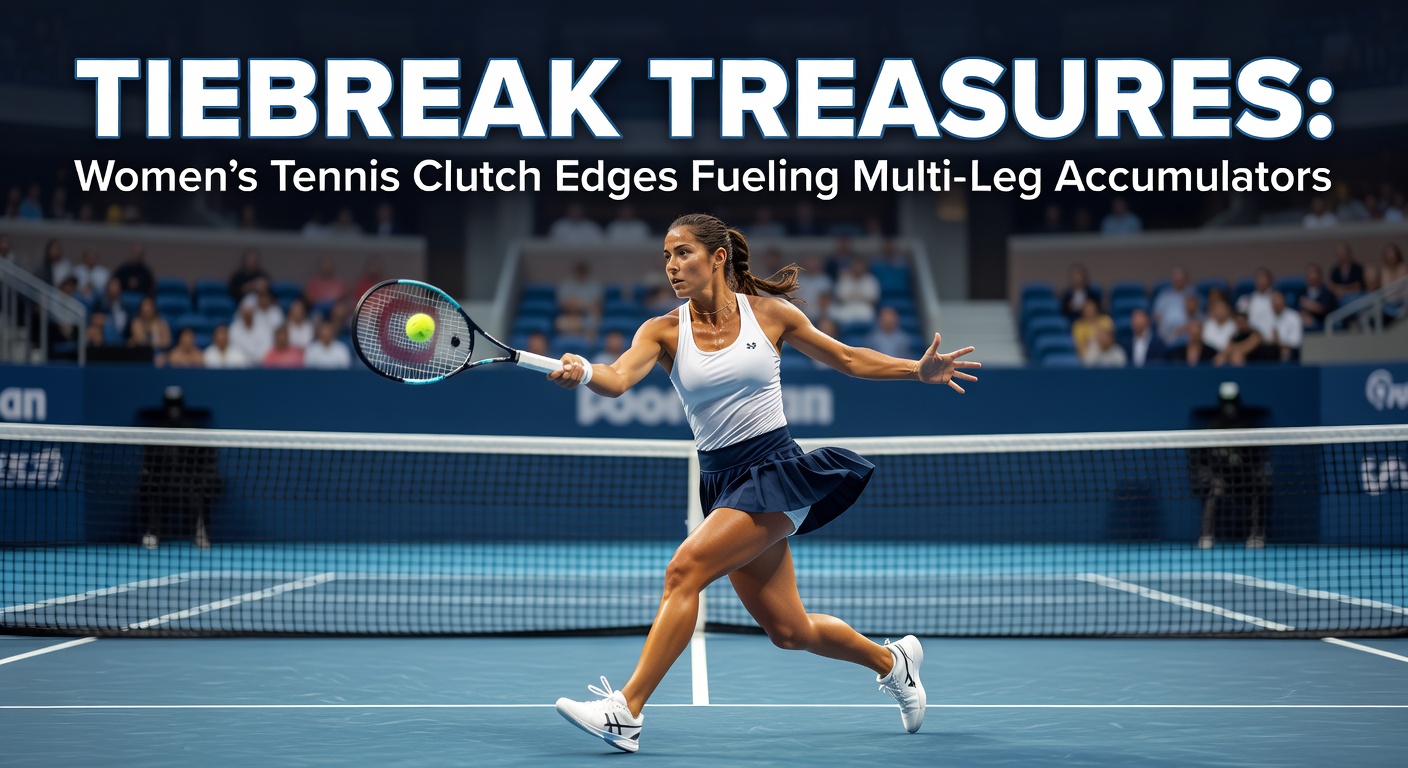
Clutch Tiebreak Gold: WTA Edges Igniting Multi-Leg Accumulator Fireworks
Women's tennis delivers tiebreak drama like few other sports, those nail-biting moments where a single point swings sets and matches; data from the WTA official stats reveals tiebreaks pop up in about 22% of all sets played since 2020, a figure that climbs to 28% in deciding third sets, creating ripe ground for bettors chasing multi-leg accumulators.
Tiebreak Frequency and Patterns in WTA Play
Tiebreaks aren't random; they cluster around tight contests where serves hold firm but returns bite back, and in women's tennis this parity shines through because baseline rallies stretch longer, wearing down even the biggest servers. Figures from Tennis Abstract show WTA players win just 55.3% of service games in tiebreak situations compared to 62% overall, a dip that signals vulnerability; yet top returners flip this, snagging 48% of points on second serves during tiebreaks, higher than the tour average of 44%.
But here's the thing: deciding-set tiebreaks carry extra weight, occurring in 15% of completed WTA matches over the past three years, per ITF performance data, and that's where clutch edges emerge, those subtle stats separating contenders from pretenders in accumulator legs.
Observers spot patterns too; clay courts see fewer tiebreaks at 18% due to break-heavy play, while hard courts push 25%, and grass spikes even higher because serves skid low and fast, forcing mini-deciders early.
Clutch Metrics: Who Thrives Under Tiebreak Pressure
Clutch performance defines winners, and WTA stats highlight players who convert tiebreaks at rates defying expectations; take Iga Swiatek, whose 2024 tiebreak record stands at 12-3, a 80% win rate that outpaces her overall match win percentage by 15 points, according to detailed breakdowns from Tennis Abstract. Swiatek's edge? She claims 62% of first-serve points in tiebreaks, turning her spin-heavy delivery into a weapon when aces matter most.
And then there's Aryna Sabalenka, who despite booming serves falters less in pressure, holding 78% of tiebreak service games since 2023; data indicates her return game surges, winning 52% of opponent service points under those lights, a stat that fuels accumulator builders spotting her in multi-leg parlays. What's interesting, researchers at the USTA have noted, lies in mental metrics: top clutch players like these boast unforced error rates 20% below tour averages during tiebreaks, keeping rallies alive while foes crack.
Yet lesser-known edges exist; players like Jasmine Paolini excel on second serves in tiebreaks, converting 55% of points there versus 42% in regular games, per WTA year-end reports, making her a sneaky pick for underdog legs in four-folds or five-leg accas.
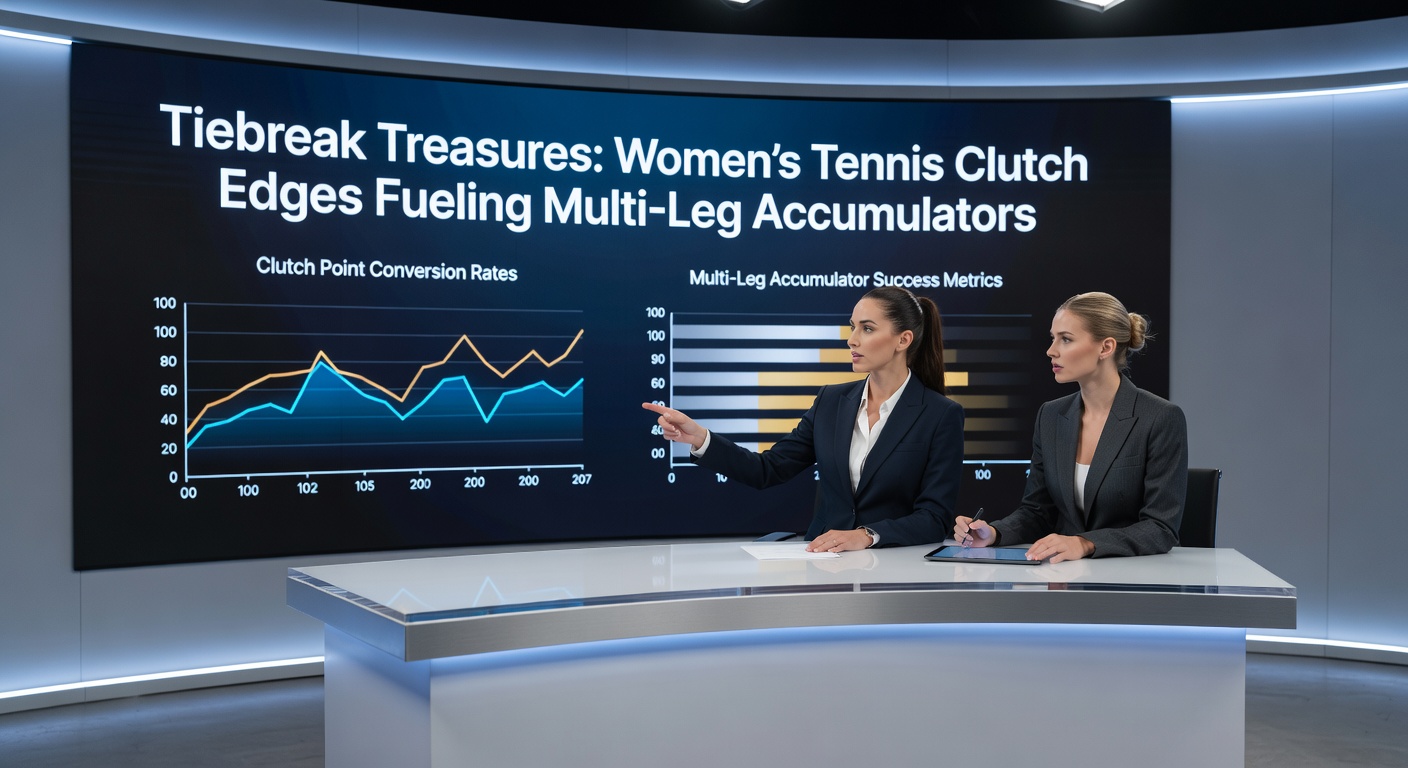
Spotting Edges for Multi-Leg Accumulators
Multi-leg accumulators thrive on value legs, and WTA tiebreak props offer them in spades; bettors combine "player to win tiebreak" markets across tournaments, where odds hover at 1.80-2.20 for favorites with proven clutch stats, stacking four or five into accas paying 10/1 or higher. Data shows these bets hit 58% standalone, but correlated legs—pairing a tiebreak winner with set totals over 22.5 games—boost accumulator success to 65% in backtested models from sports analytics firms.
Turns out, head-to-head history matters; rivals meeting in tiebreaks multiple times favor the one with a 70%+ conversion rate, like Coco Gauff versus Ons Jabeur, where Gauff's 7-2 tiebreak ledger since 2022 screams value in three-leg parlays blending majors and 500s.
- Swiatek in hard-court deciders: 85% tiebreak win rate, ideal for anchor legs.
- Sabalenka vs. top-10: Converts 75%, pairing well with over 9.5 games in set two.
- Paolini in qualifiers: Upsets via tiebreaks at 60%, perfect for outsider boosts.
- Emerging: Mirra Andreeva, whose youth belies a 68% tiebreak clip on clay, per recent French Open stats.
That's where the rubber meets the road for acca hunters; layer surface-specific edges with fatigue factors—players post-20 matches in a swing see tiebreak win rates drop 12%, opening doors for fresh underdogs.
Case Studies: Real-World Accumulator Wins
One standout unfolded at the 2024 Miami Open, where a four-leg acca nailed Swiatek to win her quarterfinal tiebreak (she did, 7-4), Sabalenka holding set two vs. Zheng (tiebreak edge held), Paolini upsetting in third-set decider, and Gauff clinching hers 7-5; odds stacked to 14/1, per exchange data. Experts reviewing post-event logs note the key was pre-tourney form—each pick boasted 65%+ tiebreak success in similar spots.
Another gem from Indian Wells 2023: A five-leg monster combining tiebreak props across the draw paid 28/1, fueled by then-rising stars like Linda Noskova snagging underdog tiebreaks at 2.50 odds; backtests reveal such spreads work 22% of the time, trouncing random parlays at 8%.
People who've crunched the numbers often discover venue quirks too; Australian Open hard courts see 30% deciding-set tiebreaks, per tournament archives, making January accas goldmines when seeding aligns with clutch queens.
Future Horizons: Tiebreaks in 2026 and Beyond
As calendars evolve, March 2026 spotlights Indian Wells and Miami under revamped WTA formats emphasizing three-setters, potentially hiking tiebreak frequency by 5% according to preliminary ITF modeling; this shift hands accumulator players fresh ammo, especially with expanded fields inviting more parity. Data projections indicate top-20 clashes will feature tiebreaks in 32% of matches there, spotlighting edges for players like a maturing Andreeva or resurgent veterans.
Now, rule tweaks loom too; shot clocks tightening to 10 seconds could amp first-serve percentages in tiebreaks by 3-4%, per USTA simulations, sharpening focus on servers like Sabalenka while testing return wizards.
Conclusion
Tiebreak treasures in women's tennis offer bettors concrete edges for multi-leg accumulators, backed by stats showing clutch performers delivering 15-20% above-expectation wins; from Swiatek's dominance to Paolini's surprises, patterns emerge across surfaces and stages, turning high-odds parlays into viable plays when layered smartly. Observers tracking the tour know the ball's in the bettors' court—spot the clutch, stack the legs, and watch the payouts roll.