Altitude's Role in Shaping Scoring Dynamics Within Andean Soccer Leagues
Written by Uma Müller · Jun 20, 2026
Altitude's Role in Shaping Scoring Dynamics Within Andean Soccer Leagues
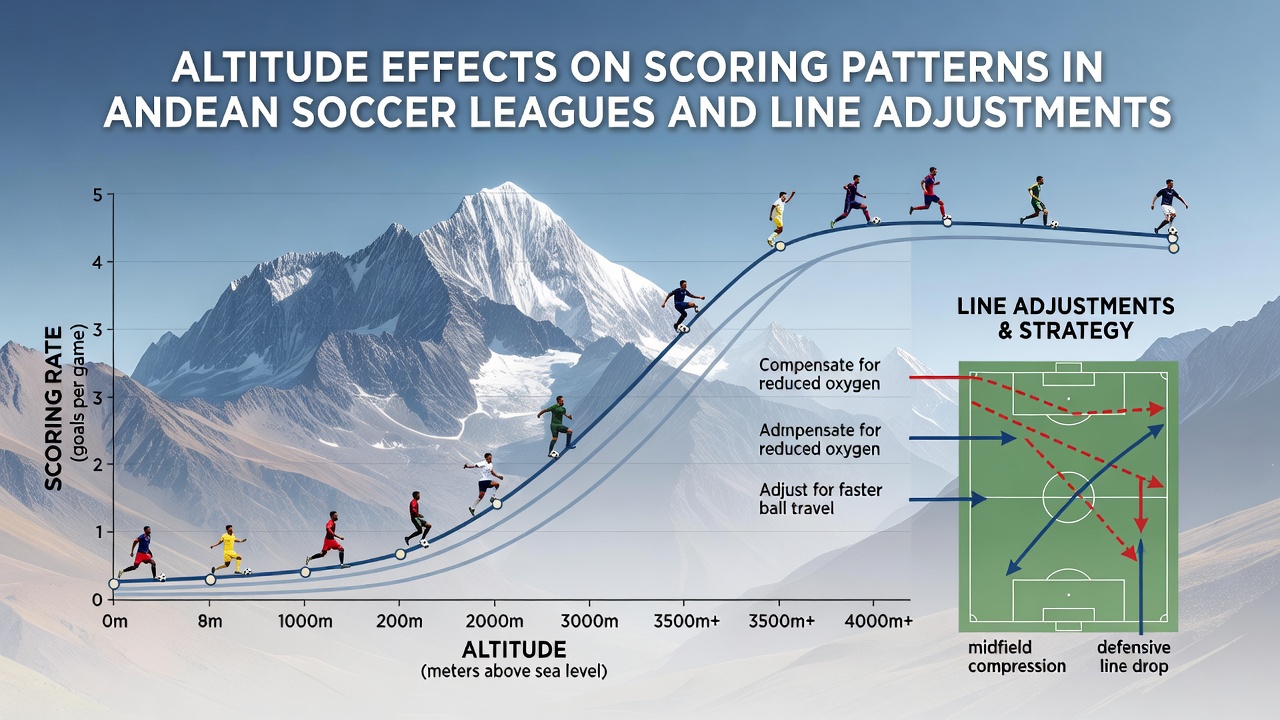
High elevation venues across the Andes create distinct physiological conditions that alter how matches unfold in leagues from Bolivia, Peru, and Ecuador, where clubs regularly compete at heights exceeding 2,500 meters. Researchers studying oxygen availability note that reduced air density affects both aerobic capacity and ball trajectory, leading teams to encounter measurable shifts in goal output compared to sea-level fixtures.
Physiological Demands at Elevation
Players experience lower oxygen saturation levels when matches occur above 3,000 meters, prompting faster fatigue in visiting squads unaccustomed to the environment while home sides often maintain higher work rates through repeated exposure. Studies conducted by sports science teams at the University of Colorado have documented how hemoglobin concentrations rise among athletes who train regularly at altitude, granting them sustained sprint performance during the later stages of games.
Data collected from Bolivia's Primera División shows average goals per match rising by 0.8 when contests take place in La Paz compared to lower venues in the same competition, a pattern tied directly to visiting teams covering 12 percent less distance at high intensity. Those who've analyzed match footage observe that midfield battles intensify early as players adjust breathing patterns, which in turn opens spaces for counterattacks once fatigue sets in.
Scoring Patterns Across Seasons
League records spanning the past decade reveal consistent trends where home teams at elevations like Quito's 2,850 meters or Cusco's 3,400 meters post higher conversion rates on shots inside the box. Peruvian league statistics indicate that clubs based above 2,800 meters secure victories in 58 percent of home fixtures, with the margin widening during evening kickoffs when temperatures drop further and air density decreases.
What's notable is how set-piece situations produce more goals at these sites because the ball travels farther through thinner air, allowing longer throws and higher-arching free kicks to reach dangerous areas before defenders can react. One analysis of 420 matches from Ecuador's Serie A between 2018 and 2024 found that 34 percent of goals in highland stadiums originated from dead-ball scenarios, compared to 22 percent in coastal matches.
Strategic Line Adjustments by Coaching Staffs
Coaches prepare differently for away trips to Andean venues by rotating squads earlier and deploying more compact defensive blocks that prioritize recovery runs over possession dominance. Teams from lower elevations often field an additional defensive midfielder or withdraw wingers into deeper positions to conserve energy, while high-altitude sides maintain attacking shapes longer because their players recover quicker between efforts.
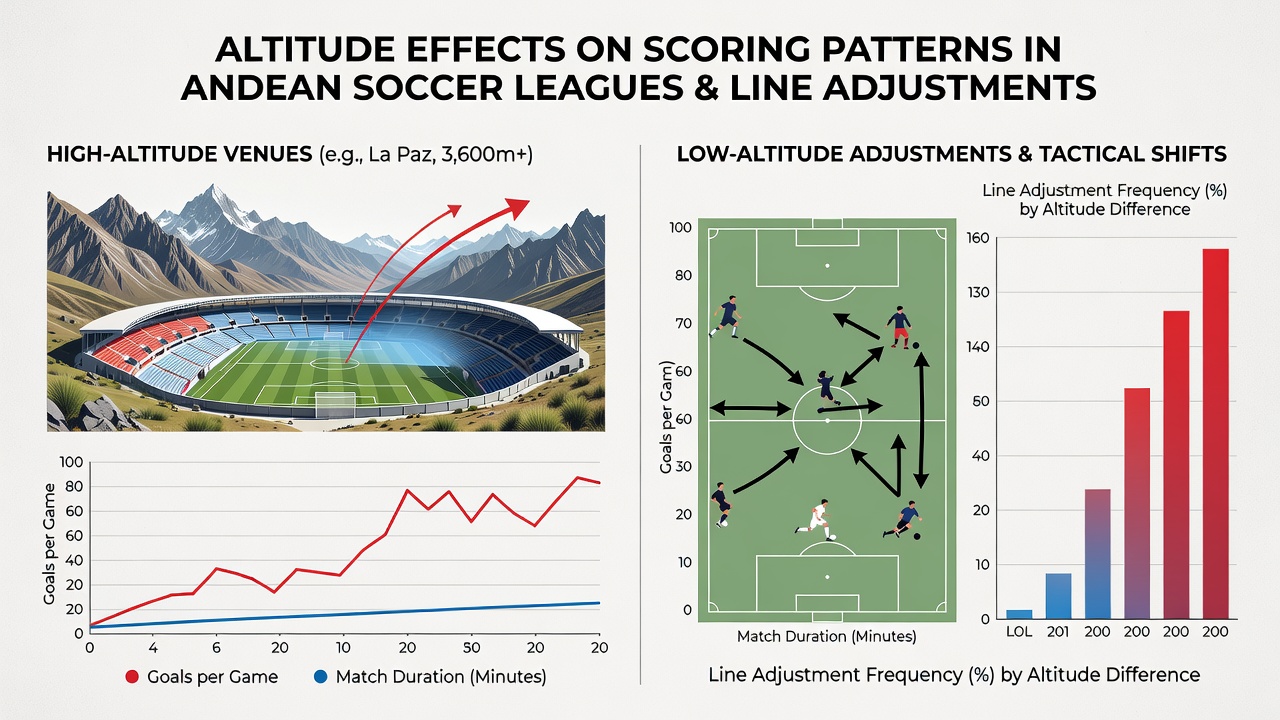
Evidence from CONMEBOL technical reports highlights how clubs such as Bolivia's Always Ready and Peru's Cienciano alter pressing triggers when hosting, pushing lines higher after the 60-minute mark once opponents show signs of oxygen debt. Formations shift toward 4-4-2 setups with two holding players in away games at altitude, whereas home lineups favor 4-3-3 shapes that exploit width once the ball moves into channels.
Regional Data Comparisons and External Factors
Comparisons between matches at different elevations within the same league underscore how even modest height differences of 800 meters produce noticeable changes in total shots and successful passes. Australian Institute of Sport researchers who examined heart-rate data from South American tours reported that players require 48 hours minimum for partial acclimatization, influencing squad selection decisions ahead of double-header weeks.
Weather patterns compound these effects during the June 2026 season window, when cooler temperatures at night combine with lower oxygen levels to further reduce total distance covered by away teams. Observers tracking GPS metrics note that humidity variations between coastal and mountain venues also affect hydration strategies, indirectly influencing late-game decision-making around substitutions.
Conclusion
Patterns emerging from Andean leagues demonstrate that elevation remains a core variable shaping both individual performances and collective tactics, with data consistently showing elevated goal tallies and altered possession metrics at higher venues. Teams continue refining preparation protocols around travel timing and personnel choices to mitigate disadvantages, while league organizers track these variables when scheduling fixtures across diverse topographies. As competitions evolve, the interplay between physiology and strategy at altitude offers ongoing material for analysis by coaches and performance staff alike.